
Curatorial Introduction
This text and image form part of an ongoing project that weaves personal testimony with embodied theory, political gesture, and ancestral memory. “My Woman Has Died” is a performative fragment written in the waiting room of a surgeon’s office, on the day the author decided not to preserve their nipples as part of chest masculinization surgery.
More than a clinical choice, the gesture is understood as a ritual act—echoing the mourning practices of now-extinct Indigenous peoples such as the Charrúa, who would amputate a phalanx in honor of their dead. Here, the absence of nipples becomes a contemporary echo of that ancestral severing. A non-bloody wound that speaks of grief, transition, transformation.
This testimony resists the medicalization of trans experience as merely corrective. It insists on the poetic, the political, the sacred. It archives the body not as fact but as field: a space for memory, revolt, and tenderness.
Text:
My Woman Has Died
My woman has died of natural causes.
Menopause visited me years ago.
I, this freak, have survived her.
In a world where to be a woman is unsafe,
where to be an old woman is neither prestigious nor desirable,
I endure.
Testosterone gives me the muscular strength
my lumbar spine now demands.
So I inject my body with a different lineage.
My woman has died.
I remove my nipples.
Like the extinct peoples of this land
who offered a fingertip in grief,
I offer my chest.
No bone, no blood—
but still, an act of mourning.
A ritual of letting go.
A gesture of memory.
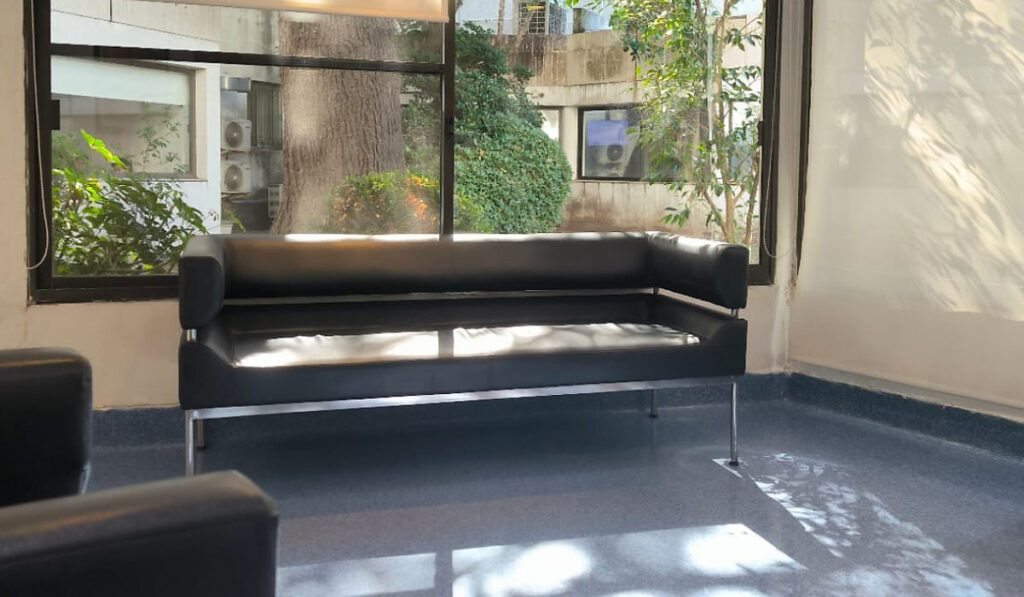
Photo taken in the waiting room of the surgeon’s office, moments before deciding not to preserve the nipples.
Text, image and performance by Ce Vignolo
Montevideo, 2025